


SEO is one of the most powerful ways to grow a business online, but it can also be one of the most confusing. Many business owners rely heavily on SEO company reports to understand whether their investment is paying off, and this is exactly why you need to beware of SEO company reports that may not tell the full story.
These reports often look impressive at first glance; filled with charts, graphs, percentages, and growth arrows pointing up.
But here’s the catch: not all of those numbers actually reflect meaningful progress.
Some reports highlight metrics that seem exciting but don’t translate into real results. Others hide important details behind complicated data.
This article breaks down how to spot the difference between vanity metrics and real performance indicators, how to evaluate the reports you’re receiving, and how a website management support team can help you stay on the right track.
Why SEO Reports Can Be Misleading
Most SEO reports are created to impress clients. And because SEO can feel complicated, many business owners simply trust what they’re shown. This opens the door for agencies to take advantage of the trust you place in their expertise.
Here are a few reasons SEO reports become misleading:
Some agencies use big numbers to look successful
Large numbers naturally catch attention. So when a report shows things like “UP 10,000 IMPRESSIONS,” it looks like a major win. But impressions alone don’t mean much. You can get thousands of impressions and still receive zero clicks or conversions.
Reports are filled with terms clients don’t understand
If a report uses too much technical language or vague explanations, it becomes difficult to figure out what’s actually happening. When a provider knows clients won’t question the details, they can get away with showing data that looks valuable but doesn’t reflect meaningful work.
Reports highlight activity instead of results
Some agencies focus on showing what they did, not what those actions achieved. For example,
“We published 10 blog posts. We built 20 backlinks. We updated meta tags across the site.”
These tasks matter, but they don’t automatically equal strong performance. Without data showing the impact, these are just activities, not results.
Reports lack context
A metric is meaningless without context. For instance:
- Traffic went up… but from bots.
- Rankings improved… but only for keywords no one searches for.
- Conversions increased… but only by one or two.
A good report explains why changes happen and what they mean. A misleading report leaves you to figure that out yourself.
What Vanity Metrics Look Like
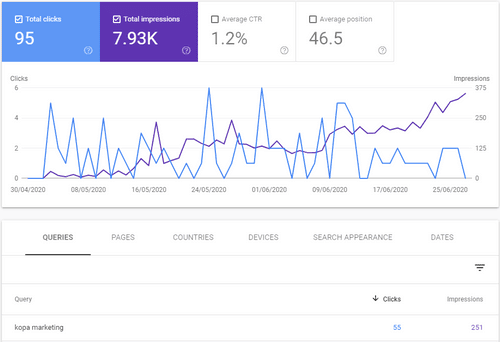
Vanity metrics are numbers that look good but don’t help you make better decisions or generate more business. They’re often highlighted in SEO reports because they’re easy wins. It’s simple to produce and impressive at first glance.
Here are the most common vanity metrics and why they’re not as helpful as they seem.
Impressions without clicks
Impressions tell you how often your pages appeared in search results. While this is useful in some cases, impressions alone don’t show whether people found your site relevant enough to visit.
If impressions go up but clicks stay the same, nothing meaningful has changed.
Social shares that don’t lead anywhere
You might see a report showing a high number of social shares or likes. But if those interactions don’t bring people to your website, they don’t help your SEO or your sales.
Social visibility is nice, but it isn’t the same as business growth.
High rankings for worthless keywords
Ranking first for a keyword no one searches for does nothing for your business.
Some agencies intentionally target low-competition, low-value keywords because they’re easy wins. Then they highlight those rankings as proof of “success”.
If the keyword doesn’t bring traffic, leads, or sales, it’s not a win.
Traffic spikes from irrelevant sources
Sometimes reports show sudden jumps in website traffic. Before you celebrate, consider:
- Is the traffic coming from your target audience?
- Is it from actual users or from bots?
- Is it from countries you don’t serve?
- Did it result in leads or sales?
A spike that doesn’t lead to engagement is often meaningless.
Large numbers with no clear purpose
Some reports include metrics simple because they look big:
- Total backlinks (not the quality)
- Total keywords tracked (not relevant ones)
- Total page views (not from real prospects)
- Total actions performed by the SEO team
These numbers help the agency show “work done”, but they don’t prove whether the work is effective.
Metrics That Show Real SEO Progress

Instead of focusing on vanity metrics, you should look for numbers that indicate genuine improvement. These metrics connect directly to visibility, user experience, and business results.
Organic traffic with intent
Traffic only becomes valuable when the people landing on your site are actually looking for what you offer. High traffic from the wrong audience might look good on paper, but it won’t translate into leads or sales.
Meaningful traffic includes:
- Visitors landing on pages that target your products or services
- People coming from relevant search queries
- Users showing intent (clicking, exploring, inquiring)
When organic traffic is built around intent, you’re not just getting more people; you’re getting the right people. This is the kind of traffic that naturally leads to conversions because it’s aligned with what your business provides.
Conversions and qualified leads
Conversions are one of the strongest indicators of whether your SEO strategy is performing well. Even if your site gets a lot of traffic, it won’t matter if those visitors who don’t take action.
Conversions can include:
- Form submissions
- Phone calls
- Purchases
- Newsletter sign-ups
- Quote requests
These actions show that users are not only finding your site, they’re interested enough to move forward. If your traffic rises but conversions stay flat, it’s a sign that your SEO approach needs adjustment. Real progress means your website isn’t just attracting visitors; it’s bringing in people who want to work with you.
Keyword growth that supports your business goals
Ranking for the right keywords matters much more than ranking for a large number of keywords. Some SEO companies inflate results by targeting phrases no one actually searches for. But meaningful keyword growth should reflect queries tied directly to your services or expertise.
Examples include:
- Service-based keywords related to offerings your business actually provides
- Local intent keywords (“near me”, city-based)
- Buyer intent keywords used by people actively looking to make a decision
When your rankings improve for keywords that matter to your business, your visibility increases in places that lead to revenue, not just traffic.
User engagement metrics
User engagement shows how people interact with your content once they land on your site. Strong engagement means your pages are relevant, helpful, and aligned with what users expect.
This includes:
- Time spent on page
- Bounce rate
- Pages visited per session
- Scroll depth
These numbers help you understand whether visitors are finding the right information they came for or if something needs improvement. When engagement goes up, it’s usually a sign that your content is connecting with your audience and nudging them closer to taking action.
Technical improvements
SEO isn’t only about keyword placement and content. A lot of your search performance depends on how well your website functions. Technical improvements ensure your site is fast, secure, and easy for both users and search engines.
Key technical progress includes:
- Faster loading speeds
- Improved Core Web Vitals
- Mobile-friendly design
- Reduced errors
- Fixed broken links
- Improved site architecture
These improvements might not seem flashy, but they have a huge impact on rankings and user experience. When your site performs smoothly, visitors stay longer, engage more, and convert at a higher rate.
Revenue impact
If possible, revenue-related metrics are the clearest sign of real SEO progress. At the end of the day, your SEO investment should help your business grow, not just generate more graphs in a monthly report.
Revenue impact can show up as:
- Increased sales from organic channels
- Higher value leads
- More bookings or orders
When conversions and revenue rise alongside improvements in rankings and traffic, you know your SEO strategy is aligned with your business goals. This is where SEO truly proves its value.
How to Evaluate an SEO Company’s Report
Even if an agency provides an impressive-looking report, you need to know how to read it with a critical eye. Here’s how to evaluate what you’re being shown.
Look for clear explanations
A trustworthy SEO provider explains:
- What the numbers mean
- Why changes happened
- What actions were taken
- What the plan is moving forward
If you see lots of data but little explanation, that’s a red flag.
Check whether metrics match your goals
If you want more leads, the report should focus on lead-based metrics. If you want more local visibility, it should show local search performance. If you want better speed or user experience, the report should include technical improvements.
Everything should tie back to your objectives.
Ask for direct access to analytics tools
Instead of relying only on the agency’s report, you should have access to:
- Google Analytics
- Google Search Console
- Any other tracking platforms they use
Transparency is key. If a provider doesn’t want you to see the raw data, that’s a warning sign.
Look for consistency over time
Real SEO progress is steady. If numbers jump dramatically for no clear reason or if the report changes format frequently, it may be hiding something.
Watch for overly complicated presentations
Reports shouldn’t be confusing on purpose. If everything looks too technical or overwhelming, it may be an attempt to create distance between you and the data.
Look for actionable insights
A strong SEO report includes:
- What was done
- What the results were
- What needs to happen next
- How the changes affect your business
Data without strategy is just noise.
The Role of a Website Management Support Team

Business Contemporary Company Strategy Firm Concept
A website management services company plays a huge role in helping business owners understand SEO performance. Unlike agencies that only focus on ranking or keywords, a management team sees the entire picture.
Here’s how a support team helps:
Clear interpretation of SEO data
A knowledgeable support team explains what matters, what doesn’t, and how each metric affects your site’s performance. They act as a translator between you and your SEO provider so you’re never left guessing.
At SetmySite, we break down reports in simple terms and highlight which numbers reflect real progress, not just big, impressive-looking stats.
Ongoing monitoring
Website managers monitor your website and performance consistently, not just once a month. This level of oversight helps catch issues early and prevents misunderstandings caused by outdated or incomplete data.
Technical maintenance
A healthy website is the foundation of strong SEO. Without it, even the best strategy may fall short. Website management teams handle essential tasks such as:
- Speed optimization
- Security patches
- Backups
- Updates
- Fixes
- Broken links
- Errors
Here at SetmySite, we specialize in this kind of dependable maintenance, ensuring your site stays fast, secure, and fully optimized. All of which directly improve SEO results.
Protecting you from misleading agencies
A knowledgeable support team can immediately spot:
- Misleading claims
- Fake progress
- Low-quality work
- Unnecessary upsells
We actively help business owners evaluate SEO claims and identify whether an agency’s work is legitimate. This protects you from being misled by flashy reports with no real substance.
Ensuring recommendations are implemented properly
SEO recommendations only work if they’re applied correctly. A management team ensures:
- On-page updates are done right
- Technical suggestions are implemented
- Content is optimized
- The site stays aligned with best practices
This partnership leads to long-term success.
Steps Business Owners Can Take to Protect Themselves
If you want to avoid being misled by SEO company reports, there are simple steps you can follow:
- Request access to the analytics dashboard: Never rely solely on the agency’s customized report. Having direct access lets you compare numbers and check for inconsistencies.
- Ask for clear monthly goals: Each report should show progress toward specific goals, not random data.
- Make sure every metric has a purpose: If a metric doesn’t relate to your business’s growth, it doesn’t need to be highlighted.
- Question anything that looks too good to be true: Sudden jumps or “guaranteed” results usually signal manipulation. SEO is powerful, but it’s not magic.
- Avoid agencies that guarantee rankings: No one can guarantee specific rankings, especially in a set timeframe. This is one of the biggest red flags in the industry.
- Learn the basics of SEO: You don’t have to be an expert. Just knowing the difference between vanity metrics and meaningful metrics helps you make better decisions.
- Partner with a reliable website management team: A trusted website support provider ensures your analytics and reporting are accurate and that you understand what’s happening behind the numbers.
Conclusion
SEO works best when you have clear visibility into what’s happening on your website. But too many businesses get lost in flashy reports filled with numbers that don’t show real progress, which is exactly why you need to beware of SEO company reports that look impressive but don’t tell you anything meaningful. That’s why you need to pay attention, ask questions, and look for metrics that actually matter.
Real SEO progress isn’t about big numbers. It’s about the right numbers. It’s about improved visibility, stronger engagement, higher conversions, better user experience, and a website that truly supports your business goals.
When you focus on meaningful metrics and work with a trustworthy team that helps you understand them, you make smarter decisions and get better results. So the next time someone hands you an SEO report, look closely.
Ask yourself: Is this showing real progress… or just vanity?